
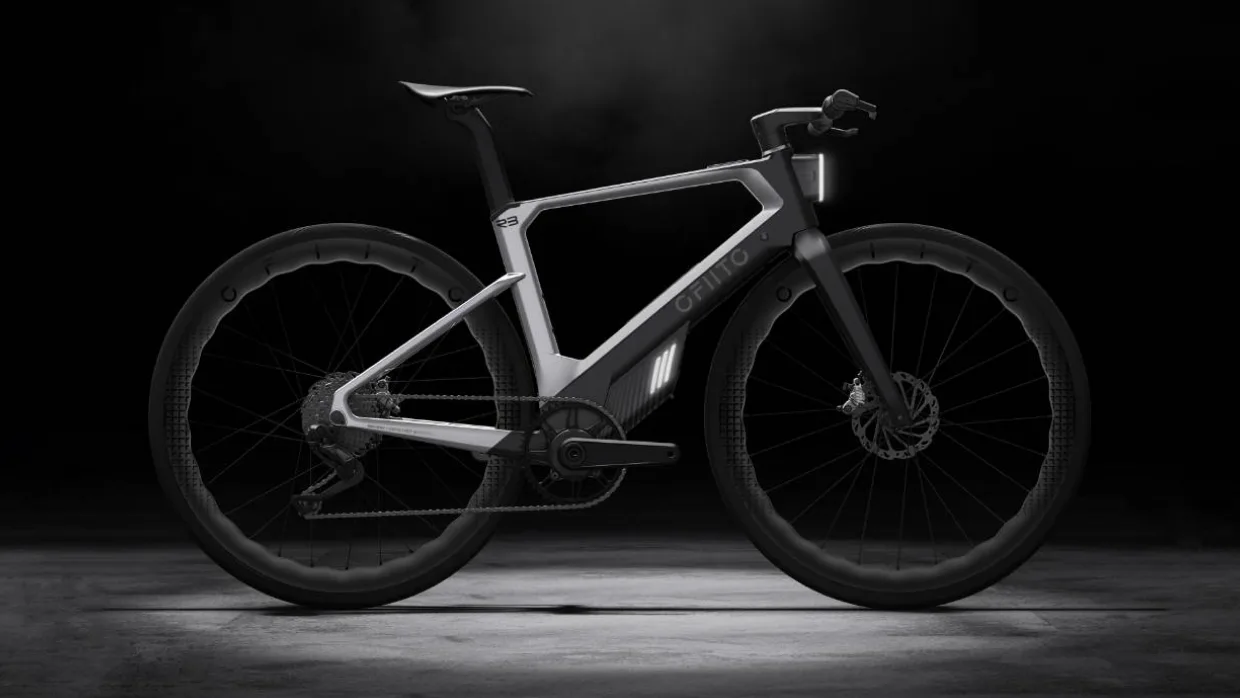
In commuter e-bikes slated for mass production by 2026, decision-making priorities are shifting from ‘single performance parameters’ towards ‘system-level maintainability’. This paper outlines an actionable system selection methodology and checklist for urban commuter E-bikes, tailored for engineering, procurement, and compliance teams. It centres on the dual pillars of ‘Integration and connectivity (CAN bus, vehicle lighting control/applications, OTA, diagnostics) + supply chain and after-sales (global service network, spare parts, delivery timelines, and lifecycle assurance)’.
How to Select an E-Bike System?
This article is aimed at product managers, system engineers, compliance officers, and after-sales network managers within e-bike OEM/ODM organisations. You will gain:
A five-step methodology for selecting urban commuter e-bike systems and key acceptance criteria;
1.Engineering implementation essentials concerning connectivity/CAN, OTA, and diagnostics;
2.Supply chain and after-sales considerations for global sales, alongside minimum essential documentation requirements for compliance and transport.
Recommended approach: While reading, substitute your current candidate system brands into the scoring criteria outlined in the text. Use this to schedule prototype integration and prepare your dealer toolchain. In short, first ensure ‘connectivity, diagnostics, and over-the-air (OTA) updates’ are fully functional before discussing large-scale delivery and lifecycle support.
Five-Step Methodology for Selecting Urban Commuter E-Bike Systems
1. Define Requirements and Boundary Conditions (Model/Regulations/Regional Parameters)
- Urban commuting involves high usage frequency, frequent starts and stops, and significant night-time riding. Prioritise validation of light control integration, protective features, and the refinement of low-speed assistance. Regulatory targets must at minimum cover vehicle and battery safety requirements for the target market (see ‘Compliance and Transport’ below).
- 2. Establish a Comparison Matrix (Focusing on Connectivity/Diagnostics/OTA/Service Network)
- Score candidates along four main axes: ‘Connectivity Protocols & Interfaces (including CAN/Extension Ports) — Diagnostic Tools & Fault Codes — OTA Pathways & Signatures/Rollbacks — Dealer/Spare Parts Network & SLAs’. Only candidate systems providing verifiable documentation proceed to the next round.
- 3. Interface and Protocol Validation (Prototype Bench/Vehicle Level)
- Complete physical wiring, CAN topology and terminal resistance verification, ID allocation and heartbeat/timeout strategy testing on the bench or prototype vehicle. Conduct handshake and fault injection tests for lighting/sensors, HMI/displays and battery BMS.
- 4. OTA and Diagnostic Closed-Loop Exercises (Including Power-Off/Rollback/Logging)
- Verify mobile/shop-end update pathways, signature and version compatibility, resume-from-breakpoint functionality, and rollback procedures. Ensure dealership tools can export standardised diagnostic reports and reproduce common error code handling workflows.
- 5. Mass production and after-sales readiness (SLA/KPI and contractual essentials)
- Finalise after-sales access points and work order systems; agree spare part codes, minimum stock levels, mean time to repair (MTTR), first-time fix rate (FTFR), and annual OTA update responsibilities; incorporate lifecycle and replacement part guarantees into supply agreements.
Technical Focus: Connectivity, CAN, OTA, and Diagnostics
This article is aimed at product managers, system engineers, compliance officers, and after-sales network managers within e-bike OEM/ODM organisations. You will gain:
A five-step methodology for selecting urban commuter e-bike systems and key acceptance criteria;
Engineering implementation essentials concerning connectivity/CAN, OTA, and diagnostics;
Supply chain and after-sales considerations for global sales, alongside minimum essential documentation requirements for compliance and transport.
Recommended approach: While reading, substitute your current candidate system brands into the scoring criteria outlined in the text. Use this to schedule prototype integration and prepare your dealer toolchain. In short, first ensure ‘connectivity, diagnostics, and over-the-air (OTA) updates’ are fully functional before discussing large-scale delivery and lifecycle support.
Note: During Steps 1–2, avoid prioritising ‘peak power/torque’ prematurely. First establish the four foundational pillars—connectivity, diagnostics, OTA, and service networks—then optimise performance curves for greater efficiency.
Technical Focus: Connectivity, CAN, OTA, and Diagnostics
This article is aimed at product managers, system engineers, compliance officers, and after-sales network managers within e-bike OEM/ODM organisations. You will gain:
A five-step methodology for selecting urban commuter e-bike systems and key acceptance criteria;
Engineering implementation essentials concerning connectivity/CAN, OTA, and diagnostics;
Supply chain and after-sales considerations for global sales, alongside minimum essential documentation requirements for compliance and transport.
Recommended approach: While reading, substitute your current candidate system brands into the scoring criteria outlined in the text. Use this to schedule prototype integration and prepare your dealer toolchain. In short, first ensure ‘connectivity, diagnostics, and over-the-air (OTA) updates’ are fully functional before discussing large-scale delivery and lifecycle support.
Note: During Steps 1–2, avoid prioritising ‘peak power/torque’ prematurely. First establish the four foundational pillars—connectivity, diagnostics, OTA, and service networks—then optimise performance curves for greater efficiency.