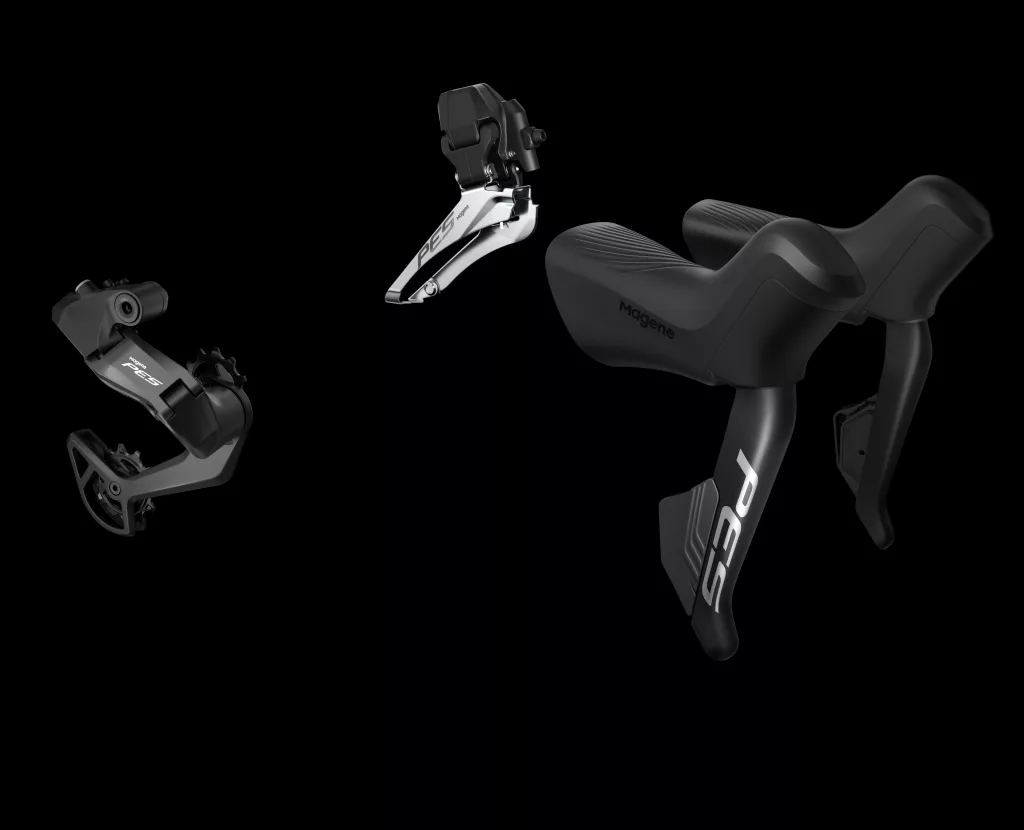
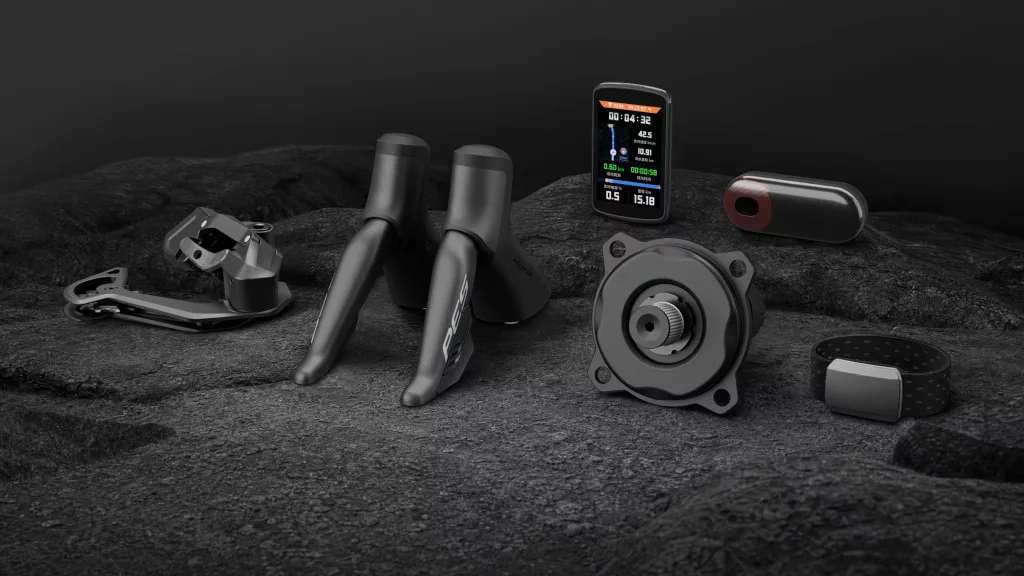
On a regular bike, shifting is mostly about cadence and terrain. On an eBike, it gets more complicated. The rider may be starting at a traffic light, climbing with assistance, carrying cargo, or rolling into a stop. In those moments, the right gear matters.
That is why eShift and electronic shifting for eBikes are getting more attention. eShift replaces traditional mechanical cables with precise electronic controls, enabling lightning-fast gear changes with the simple press of a button. Bosch presents eShift as an integrated shifting concept with manual and automatic variants. Shimano’s intelligent shifting technologies, including FREE SHIFT and AUTO SHIFT, show another direction: the bike can help the rider find a better gear before pedaling again or while riding through changing terrain.
At Magene Enterprise, we not only make the shifting experience smoother and smarter, but we also help e-bike brands transform electronic shifting into a platform feature ready for mass production.
What Is eShift for eBikes?
eShift for eBikes refers to electronic shifting that controls gear changes through buttons, electronic actuation, or automatic logic. Depending on the system, the rider may still shift manually, or the bike may help select a gear.
In search language, people may call this an electric bike shifter, electronic bike shifters, or electric bike shifting. For brands, the more important question is how the eShift fits the full bike platform.
This does not mean every eBike needs full automatic shifting. Some platforms only need light-touch manual electronic shifting. Others may benefit from automatic or assistive shifting. The right answer depends on the bike category, drivetrain layout, cost target, and service model.
Why Electronic Shifting Improves the eBike Experience
The most obvious benefit is easier starting. Many riders stop in too hard a gear, then struggle when the light changes. A smarter setup can help the bike return to a better starting gear.
Climbing is another common case. On a loaded eCargo bike, a trekking eBike, or an eCity, poor gear choice can make the rider work against the bike. Electronic shifting can keep the ride smoother as terrain or load changes.
It also reduces mental workload. A new rider may not know when to shift. A commuter may not want to think about every stop. A trail rider may want to focus on line choice. In each case, electronic shifting can make the ride feel more controlled.
There is also a drivetrain benefit. Shimano and Magene’s intelligent eShift approach points to a broader lesson for eBike brands: shifting should support both ride feel and long-term platform reliability.
Magene eShift Solutions for eBike
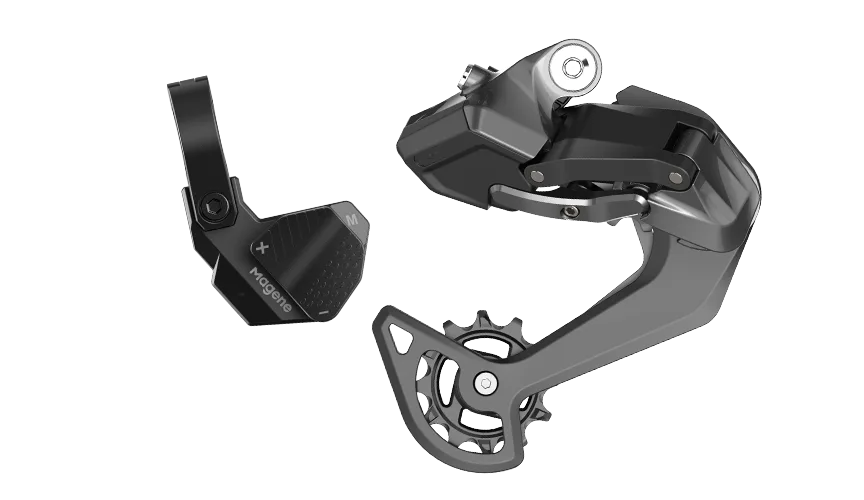
Magene Enterprise focuses on two eBike electronic shifting paths: Direct-drive electronic derailleur solutions and cable-actuator electronic shifting solutions.
Direct-drive electronic shifting solutions combine buttons with an electronic rear derailleur, making them ideal for platforms centered around electric drive systems. They suit new eBike projects, higher-end models, and brands that want a more integrated shifting structure from the beginning.
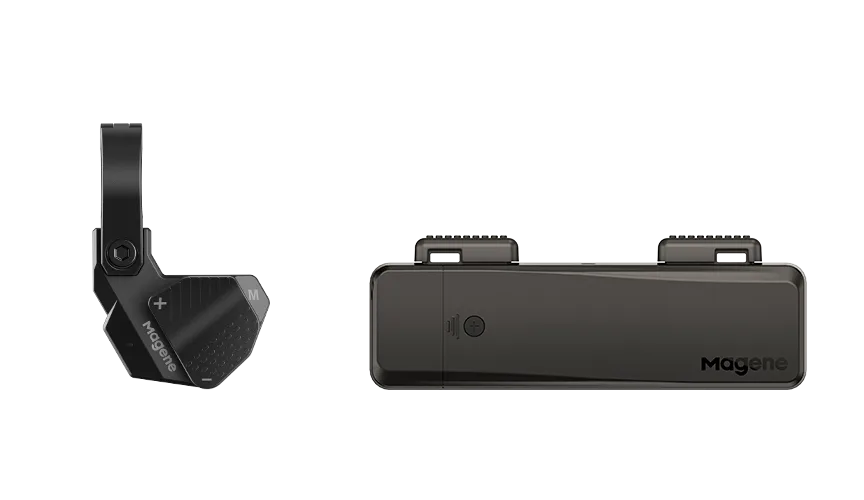
Cable-controlled electronic shifting solutions use a cable actuator to upgrade mechanical shifting to electronic shifting, add electronic control while keeping a cable-actuated drivetrain layout. This can help brands upgrade an existing eBike platform without redesigning the whole drivetrain architecture. It is useful for faster upgrades, lower integration complexity, or a more cost-conscious model tier.
Neither path is automatically better. The decision depends on the bike.
What Brands Should Check Before Integration
Before choosing an eShift solution, eBike brands should look beyond the feature list.
Start with the bike category. A city eBike, folding eBike, trekking model, eCargo bike, and eMTB each create different shifting demands. Then check whether the platform needs manual, automatic, or assistive shifting.
The drivetrain architecture matters next. Is the project designed for direct electronic actuation, or does it need to keep a cable-actuated layout? The answer affects frame design, cockpit routing, installation, testing, and service.
Brands should also review charging, waterproofing, calibration, dealer documentation, spare parts, and warranty handling. A prototype that shifts well is only the first step. The system has to work on the production line and after the bike reaches riders.
How Magene Enterprise Supports eShift Projects
Magene Enterprise works with bicycle brands, eBike manufacturers, and OEM/ODM partners on production-ready eShift solutions. Our support covers more than component supply.
A typical project starts with requirements communication. We align on the bike category, drivetrain layout, performance targets, model tier, and integration needs. Then we support sample testing, installation trials, compatibility verification, and debugging.
Before launch, we can help with production coordination, installation guidance, SOP preparation, and launch readiness. For factory-installed electronic shifting, this support is often as important as the hardware. Brands can also use Magene Enterprise’s Customer Service & Support resources during integration planning and after-sales preparation.
Conclusion
eShift is not just an electronic derailleur upgrade. For eBike brands, it affects ride comfort, platform design, factory installation, dealer service, and product positioning.
The best approach is to choose the shifting architecture around the eBike platform, not after the rest of the bike is fixed. To discuss direct-drive or Cable-actuator electronic shifting for your next eBike project, contact Magene Enterprise or explore our electronic shifting systems.
FAQ
What is eShift on an eBike?
eShift is electronic shifting for an eBike. It can allow button-based manual shifting, automatic shifting, or assistive shifting.
Is eShift the same as automatic shifting?
No. Automatic shifting is one possible form of eShift. Some eShift systems are manual, while others help select the right gear automatically.
Why is electronic shifting useful for eBikes?
eBikes often deal with starting, climbing, cargo loads, and speed changes. Electronic shifting can make gear changes easier and more consistent.
What is the difference between direct-drive and Cable-actuator electronic shifting?
Direct-drive electronic derailleur solutions fit platforms built around electronic actuation. Cable-actuator electronic shifting solutions add electronic control while keeping a cable-actuated drivetrain layout.
Does Magene Enterprise support OEM and ODM eShift projects?
Yes. Magene Enterprise supports OEM, ODM, OBM, and pre-installation projects, including requirements communication, sample testing, compatibility verification, installation support, and production coordination.