
OEM, ODM and OBM define how product design, bicycle manufacturing, brand ownership and lifecycle responsibility are divided between a bicycle company and its supplier. Choosing the right model affects more than unit price. It determines who controls the product specification, intellectual property, testing, compliance, firmware and after-sales support.
For conventional OEM bicycle components, the main questions may concern drawings, tooling and quality control. For connected products such as a bike power meter, electronic shifting system or smart bike sensor, the agreement must also cover software, wireless certification, calibration data and long-term technical support.
This guide explains OEM vs ODM vs OBM in the bicycle industry and provides a practical framework for selecting a bicycle manufacturing partner.
OEM vs ODM vs OBM: quick comparison
OEM means the buyer controls the product specification and the manufacturer produces it. ODM means the manufacturer supplies the design or technical platform, which the buyer sells under its own brand. OBM means the manufacturer owns both the product and the brand.
| Factor | OEM | ODM | OBM |
|---|---|---|---|
| Product starting point | Buyer specification | Manufacturer platform | Existing branded product |
| Design ownership | Mainly the buyer | Manufacturer or shared | Manufacturer |
| Brand ownership | Buyer | Buyer | Manufacturer |
| Customization | High | Moderate to high | Usually limited |
| Development time | Longer | Shorter | Shortest |
| Upfront engineering cost | Higher | Shared or lower | Lowest for the buyer |
| Differentiation | Potentially high | Depends on exclusivity | Defined by the manufacturer |
| Typical customer | Established bicycle brand | Brand seeking faster development | Distributor or complete-bike manufacturer |
These are working definitions rather than legal classifications. The technical agreement and contract carry more weight than the term used in a supplier presentation.
In bicycle manufacturing, “OEM” can also describe a component supplied for installation on a new bicycle. A supplier may therefore use OEM to mean contract manufacturing, original-equipment supply or both. Buyers should confirm the intended meaning before discussing price and project scope.
What is OEM bicycle manufacturing?
An OEM bicycle manufacturer produces a component or complete product according to requirements supplied by the buyer. These requirements may include drawings, materials, dimensions, performance targets, approved components, firmware functions and quality standards.
OEM manufacturing is usually suitable for brands that have:
- an established product or engineering team;
- proprietary mechanical or electronic designs;
- clear testing and validation requirements;
- sufficient volume to justify tooling and development;
- resources to manage suppliers and engineering changes.
A bicycle brand developing its own bike computer might specify the screen size, battery life, protection rating, and required GPS measurement accuracy. The manufacturing partner would then be responsible for process design, mold manufacturing, assembly, and production testing.
OEM offers more control over product differentiation, but the buyer must provide complete specifications. Unclear drawings, late changes or missing acceptance criteria can increase cost and delay production.
-1024x575.webp)
What is bicycle ODM manufacturing?
A bicycle ODM manufacturer develops the product or core technical platform and adapts it for another brand. The buyer sells the finished product under its own name, while the ODM supplies engineering, manufacturing and validation support.
ODM customization may include:
- mechanical interfaces;
- industrial design and enclosure structure;
- materials and finishes;
- firmware functions;
- packaging and labeling;
- production calibration;
- market-specific testing.
ODM is often suitable for brands that want a differentiated product without building every technical capability internally. It can reduce development time because the cycling electronics manufacturer already has product architecture, engineering experience, testing systems and an established supply chain.
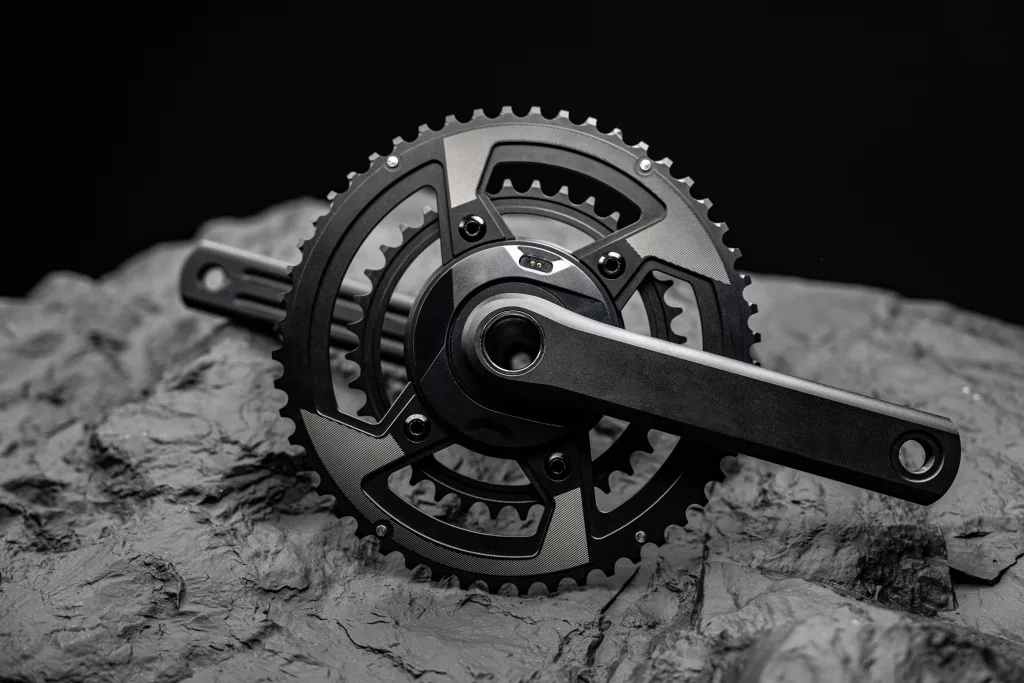
For example, a bike power meter ODM project may start with a validated spider power meter platform. The buyer and supplier can then adapt the crank interface, chainring compatibility, firmware, graphics and packaging for a specific complete-bike range.
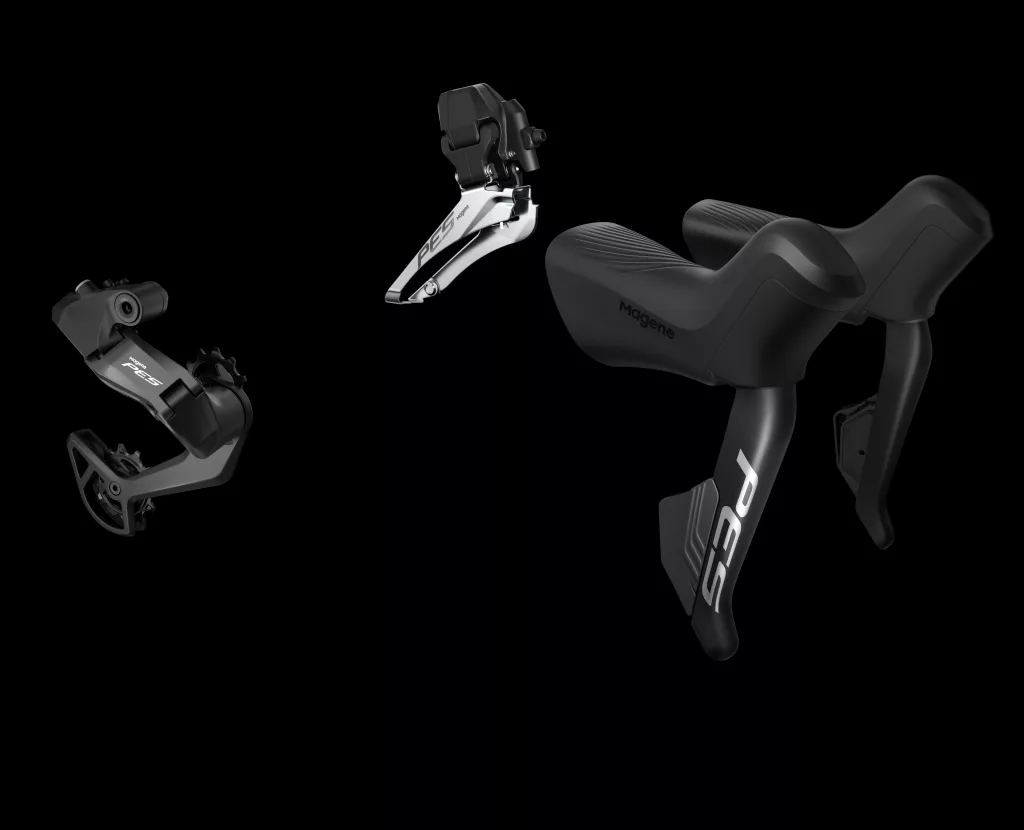
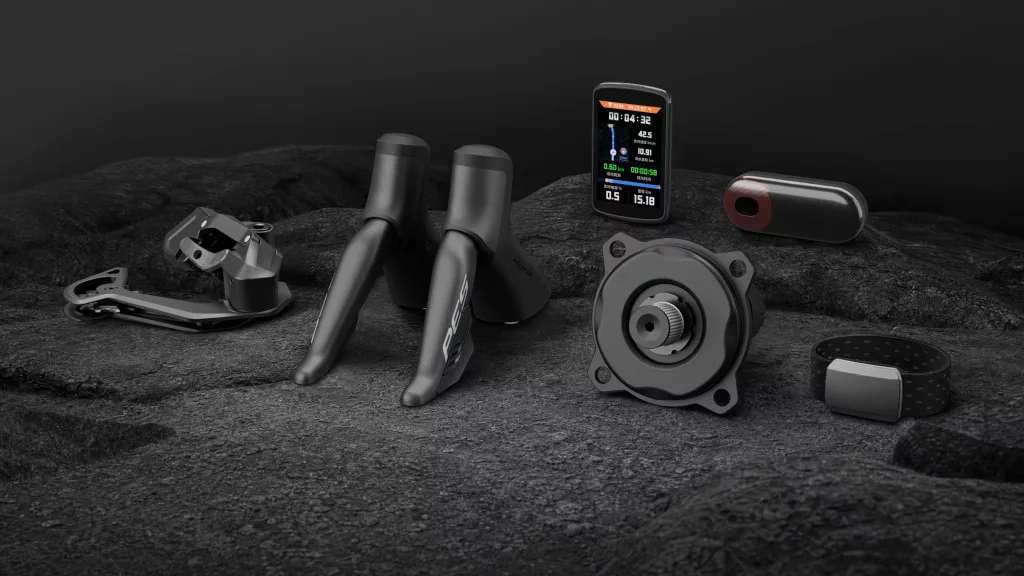
Magene Enterprise provides smart cycling solutions for bicycle brands across power meters, electronic shifting systems, sensors and smart lights. This approach allows the project scope to extend beyond cosmetic private labeling.
The main ODM risk is limited differentiation. If several brands use the same platform without agreed exclusivity, they may end up competing through price, distribution and marketing.
What is OBM in the bicycle industry?
An original brand manufacturer designs, manufactures and sells products under its own brand. A bicycle company working with an OBM normally purchases a finished branded product for distribution or integrates it into a complete bicycle.
OBM can provide the fastest route to market because the product design, brand and technical validation already exist. It may suit:
- bicycle distributors entering a new category;
- complete-bike brands testing customer demand;
- retailers adding established cycling products;
- regional partners with local sales and service capabilities.
OBM is not the same as private label. A private-label bicycle product carries the buyer’s brand. An OBM product retains the manufacturer’s brand.
Pre-installing an established branded bike electronic shifting on a complete bicycle is an example of an OBM-style partnership. The bicycle brand gains a tested product and recognized product identity without taking ownership of the underlying design.
OEM, ODM or OBM: what is the difference?
OBM usually starts with an existing supplier product. The buyer changes the logo, color, packaging or model name but makes few technical changes.
ODM goes further. The supplier may modify the structure, functions, communication protocol or system integration to meet the buyer’s requirements.
OEM normally starts with a buyer-controlled specification. However, terminology varies between suppliers. Instead of relying on the label, ask who owns the design, who approves changes and whether the same product can be offered to other brands.
Considerations When Choosing Between OEM and ODM
Selecting a manufacturing model is only the first step. The following issues determine whether the partnership remains workable after the initial product launch.
Product architecture and bicycle compatibility
A bicycle component operates as part of a larger system. A power meter must fit the crankset, chainring, frame and bike computer. An electronic shifting system must work with the drivetrain, frame routing, battery and control interface.
The development agreement should specify:
- mechanical interfaces and tolerances;
- compatible drivetrains and components;
- wireless communication protocols;
- environmental and durability requirements;
- complete-bike assembly conditions;
- responsibility for system-level testing.
A component that passes standalone testing can still fail after integration. Compatibility must therefore be validated on the intended bicycle platform.
Tooling, firmware and test-data ownership
The buyer should know who owns the molds, fixtures, mechanical drawings, circuit designs, firmware, calibration algorithms and production data.
Paying a tooling charge does not automatically transfer tooling ownership. The contract should state:
- who owns each tool and design file;
- where the tooling will be stored;
- whether it may be used for another customer;
- whether the buyer may transfer production;
- what happens when the cooperation ends.
Products also require a firmware plan. Source-code ownership may not be necessary in every project, but responsibility for security updates, protocol changes, bug fixes and product discontinuation must be clear.
Regulatory and market-access responsibility
Working with an OEM or ODM does not automatically transfer legal responsibility away from the brand, importer or distributor.
The compliance plan should identify:
- applicable standards for each target market;
- who selects and pays the test laboratory;
- whose name appears on certificates;
- who maintains technical files and test reports;
- how engineering changes affect existing approvals.
Bicycle safety and testing may fall under the ISO 4210 series. Bluetooth, ANT+ and other wireless products placed on the European market may require evaluation under the EU Radio Equipment Directive. Products containing lithium batteries need relevant transport documentation under UN Manual subsection 38.3.
Requirements vary by product and destination market. Brands should confirm their obligations with qualified compliance specialists.
Quality control and engineering changes
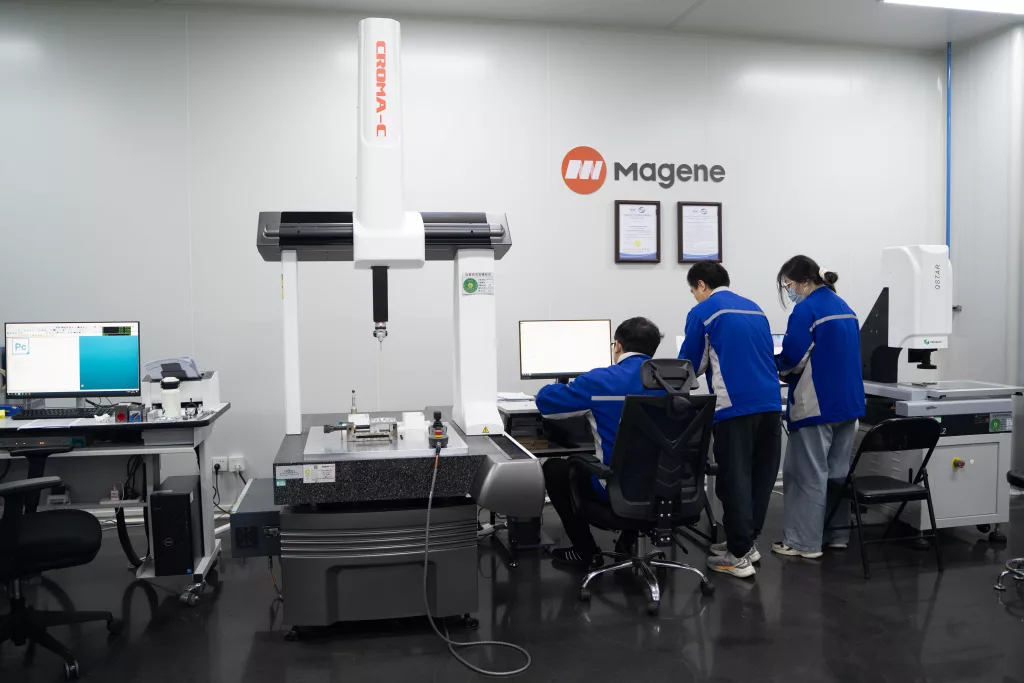
A golden sample does not replace a quality-management system. The buyer and manufacturer should define critical-to-quality characteristics, sampling rules, calibration records, component traceability and failure-analysis procedures.
The manufacturer should request approval before changing:
- materials;
- electronic components;
- component suppliers;
- firmware or algorithms;
- tooling and production processes;
- test equipment;
- production location;
- packaging or labeling.
An unreported component substitution can affect performance, certification and warranty rates even when the product looks unchanged.
Warranty, firmware and field support
Responsibility continues after shipment. For smart cycling products, the brand and cycling electronics manufacturer need a process for diagnostic data, returned-product analysis, firmware issues and corrective action.
The agreement should define who will:
- provide technical support;
- maintain replacement inventory;
- analyze returned products;
- approve warranty claims;
- release firmware updates;
- manage safety notices or recalls.
A low initial quotation may produce a high lifecycle cost when field failures have no clear owner.
Product discontinuation and exit planning
Most sourcing guides explain how an OEM or ODM partnership starts. Few explain how it ends.
The agreement should cover access to tooling, spare parts, production records, test software and service documentation if the relationship ends. It should also define last-time purchase rights and the support period for discontinued electronic components.
This matters when a bicycle platform will remain in the market for several model years.
Bicycle manufacturing approaches: Magene Enterprise and industry suppliers
Magene Enterprise
Magene Enterprise is the B2B division of Magene Technology. Its published cooperation models include OEM, ODM and OBM services for cycling and mobility brands.
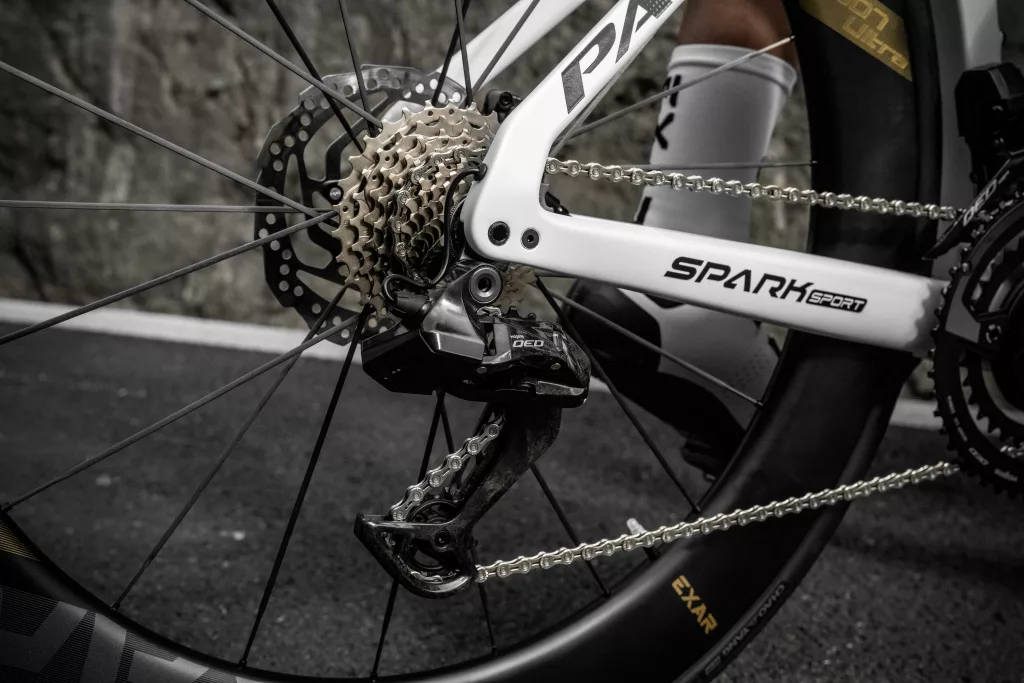
Its product scope covers spider power meters, electronic shifting systems, smart sensors and bike lights. This makes Magene relevant to brands seeking either an individual cycling electronics product or a connected product portfolio.
Sensitivus
Sensitivus focuses on power meter technology for crankset manufacturers. Its publicly listed solutions include spindle, spider and crank-arm power meter modules, along with calibration and integration support.
This module-based approach may suit a crankset manufacturer that already controls the mechanical product but needs strain-gauge electronics, firmware and power-measurement expertise. The crankset manufacturer still needs to manage mechanical integration, environmental protection, final-product validation and market compliance.
Sensitivus represents a specialist ODM or technology-supplier model rather than a broad complete-product portfolio.
Wheeltop
Wheeltop manufactures bicycle transmission components and markets branded electronic shifting systems for road, gravel and mountain bikes. Its website also states that OEM and ODM customization services are available.
Its model combines component manufacturing with branded electronic drivetrain products. Depending on the project, a bicycle company might work with Wheeltop as an OEM or ODM supplier, or purchase a Wheeltop-branded system through an OBM-style arrangement.
Brands evaluating an electronic shifting system manufacturer should compare drivetrain compatibility, customization depth, firmware control, testing responsibility, local certification and long-term service support.
These suppliers should not be judged by the OEM, ODM or OBM label alone. Their technical scope, product categories and ownership structures differ.
How to choose a bicycle OEM, ODM or OBM partner
Choose OEM when your product architecture is a core competitive asset and your team can manage engineering, testing and supply-chain decisions.
Choose ODM when you need a differentiated product but want to build on an experienced manufacturer’s technology and production platform.
Choose OBM when speed, proven performance and lower development exposure matter more than design ownership.
Many bicycle brands use a hybrid model. A company might start with an OBM product to test demand, move to ODM for market-specific functions and later develop an OEM product for its highest-volume range.
Different components can also use different models. A brand may own the frame design, jointly develop an electronic shifting system and pre-install an established branded power meter.
Summary
OEM vs ODM vs OBM in the bicycle industry is ultimately a question of ownership and responsibility.
The best bicycle manufacturing partner is not simply the supplier with the lowest quotation or the longest capability list. It is the supplier that can clearly define who controls product design, compatibility, compliance, quality, firmware, warranty and product retirement.
Magene Enterprise supports bicycle brands across power meter solutions, electronic shifting systems and other smart cycling products.
Brands evaluating an OEM, ODM or OBM project can request product samples or contact the Magene Enterprise team to discuss product integration, customization and manufacturing requirements.
FAQ
Is ODM the same as private-label bicycle manufacturing?
No. Private label generally involves branding an existing product with limited technical changes. ODM may include structural, functional, firmware or system-level customization.
Is OEM always more expensive than ODM?
OEM usually requires more buyer-funded design, tooling and testing, but total cost depends on product complexity, volume and existing engineering work. Lifecycle cost should include certification, quality management, warranty and support.
Who owns the design in an ODM project?
The manufacturer often owns the core platform, while the buyer may own its branding and project-specific modifications. Ownership and exclusivity must be stated in the contract.
Which model is best for a new bicycle brand?
A new brand may begin with OBM or private label to test demand. ODM is suitable when the brand needs meaningful differentiation but lacks a complete engineering team. OEM is more appropriate when the brand already controls the product specification.
What should a brand check when selecting a bike power meter OEM or ODM?
Check crank and chainring compatibility, measurement accuracy, calibration method, temperature compensation, waterproofing, wireless protocols, firmware support, production traceability and responsibility for market certification.