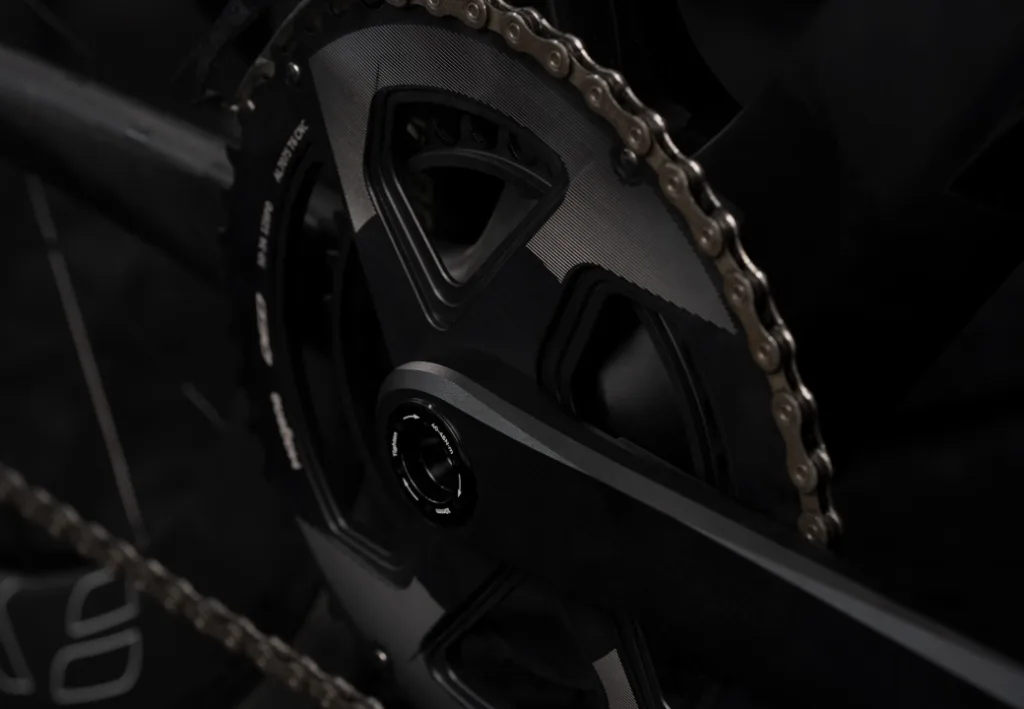
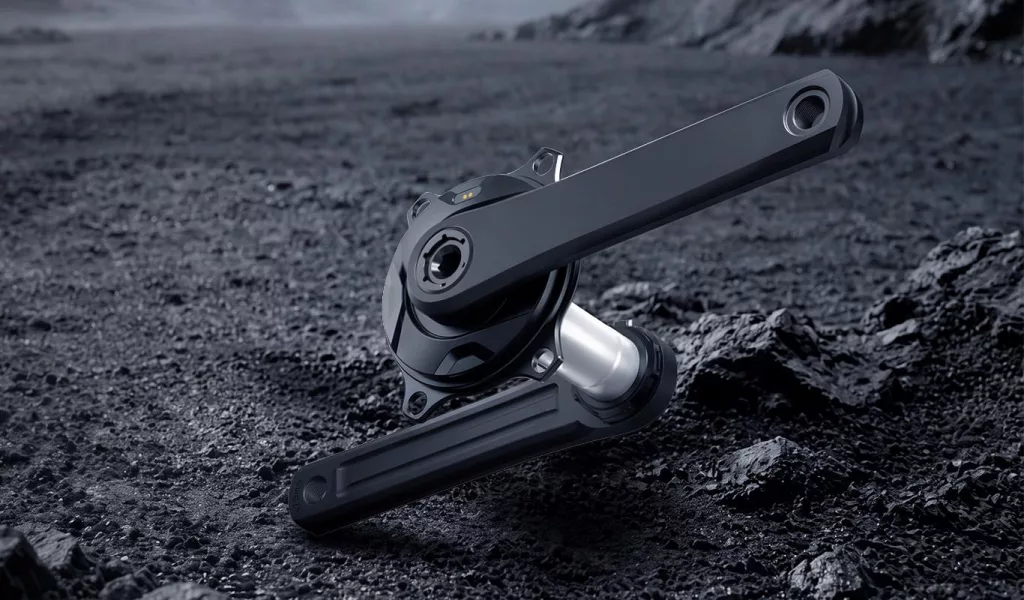
Before brands and manufacturers select a supplier, it is undoubtedly necessary to test samples first. Receiving a power meter sample that performs well is a good start. However, this does not prove that the supplier can maintain the same performance during mass production.
A power meter is both a bicycle component and a measurement system. It integrates structural components, sensors, firmware, wireless communication, and factory calibration. Weaknesses in any of these areas can affect accuracy, compatibility, time to market, or warranty costs.
The first question is very easy to answer: Can the supplier manufacture the power meter independently? But the more critical question is whether it can meet your requirements during mass production. Therefore, choose a bicycle power meter ODM manufacturer that can demonstrate its capabilities.
This guide provides a practical method for evaluating potential suppliers, written specifically for complete bike brands, drivetrain brands, and manufacturers.
1. Define the Brief
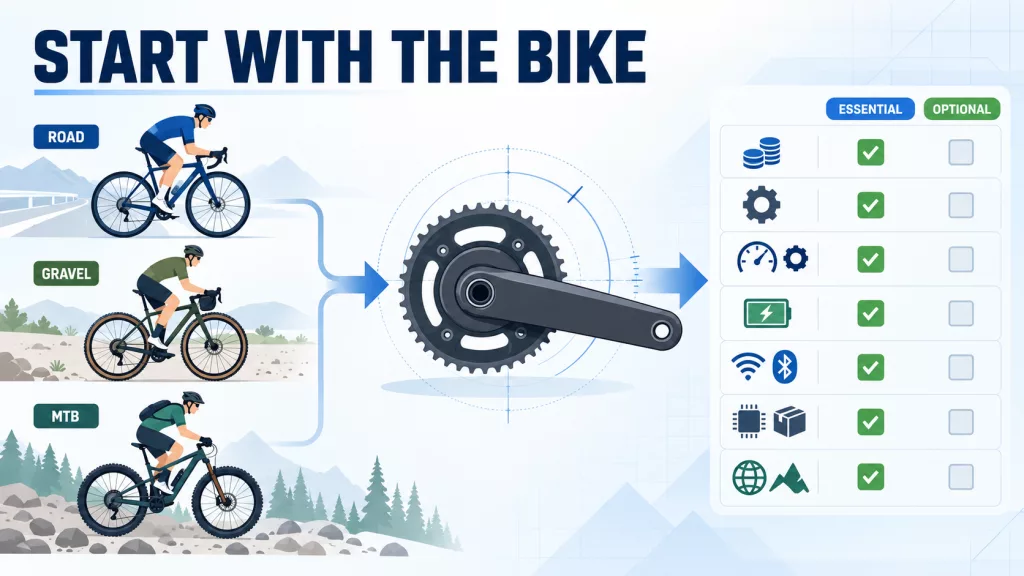
Brands must start with practical bicycles and the cyclists they aim to target—never begin with a supplier’s product catalog. First, you need to clarify the intended use of the power meter. Is your power meter intended for road bikes, gravel bikes, or mountain bikes? Do you plan to bundle it with a complete bike, or sell it alongside a crankset? Will it also be sold separately as an aftermarket component?
Therefore, your requirements specification should cover all aspects:
- target price and forecast volume;
- mechanical interfaces and fit;
- power and cadence ranges;
- battery and charging requirements;
- ANT+ and Bluetooth functions;
- firmware, branding and packaging needs; and
- target countries and riding conditions.
Separate essential requirements from optional features. Then add clear acceptance criteria for each important claim.
A clear requirements document provides a standardized basis for quotations from each potential bicycle power meter ODM manufacturer and makes price comparisons more meaningful. Our ODM Product Development Guide for Bicycle Brands details how to prepare for a more comprehensive project.
2. Prove Power Meter Expertise
Power meters have very high technical requirements, so general experience in electronics alone is not sufficient. Manufacturers of power meters need to possess the specialized knowledge required to measure force under actual pedaling loads.
To assess a supplier’s technical capabilities, ask the supplier how they handle the following:
- strain-gauge placement and bonding;
- signal processing and zero offset;
- calibration and temperature compensation;
- structural loads and fatigue;
- protection from water, vibration and impact.
A qualified supplier should distinguish between mature technologies and newly developed technologies. Technical considerations can help you identify project risks early on.
Ask for evidence, not broad claims. Useful evidence includes validation reports, calibration methods, test summaries and production records. Examples of past engineering problems can also be helpful.
A credible ODM partner will explain its limits as clearly as its strengths.
3. Check Fit and Connectivity
Before discussing the power meter’s appearance with the supplier, it is necessary to review its mechanical compatibility. For spider-type power meters, the inspection should begin with the axle and the base shaft.
You should also confirm:
- BCD and bolt pattern;
- chainline and Q-factor;
- crank length;
- chainring and frame clearance;
- fastening torque;
- battery or charging access.
Compatibility cannot be confirmed based on a single drawing. Brands must conduct comprehensive testing on the planned bicycles, drivetrains, and chainring sets, incorporating standard production tolerances into these tests. One reference bike cannot represent a full product range.
After verifying compatibility, you must also review connectivity. Test pairing, reconnection and simultaneous connections through ANT+ and Bluetooth. Check device IDs, battery reporting and firmware updates too. The official Bluetooth Cycling Power Service defines relevant power data. Even so, you must test the actual implementation. Use the head units, apps and indoor platforms listed in your brief.
Our power meter solutions for bike brands show the types of interfaces and configurations to discuss at this stage.

4. Test Accuracy and Reliability
An accuracy claim such as ±1% needs clear test conditions. Without them, the number tells you very little.
Ask the supplier to state:
- the reference equipment;
- the power and cadence ranges;
- the temperature range;
- the sampling and time-alignment method;
- the calculation rules.
Test several samples at low, steady and high power. Add starts, sprints, cadence changes and temperature changes. Repeat the tests over time.
Do not review average agreement alone. Check drift, zero-offset behaviour, response time and data dropouts.
The sample plan should match the planned factory process. Agree on the calibration record and end-of-line limits. Every unit should also have serial-number traceability.
Use our bike power meter sample evaluation checklist to plan the tests. Our guide to what ±1% power meter accuracy really means explains the accuracy claim in more detail.
5. Control Development
A fully functional prototype is not yet ready for mass production. Before a collaborative project enters mass production, it must go through a defined validation phase.
Most ODM projects use EVT, DVT and PVT:
- EVT addresses the main engineering risks.
- DVT checks the complete design against the requirements.
- PVT checks the production line, tooling and test equipment.
Give each stage a clear deliverable, acceptance criteria and approval owner.
Before release, freeze the bill of materials, drawings and firmware version. Freeze the calibration method, packaging and golden sample as well.
You also need a change-control process. The supplier must report proposed changes before using them. Your team can then assess the risk and request new tests.
6. Audit Production
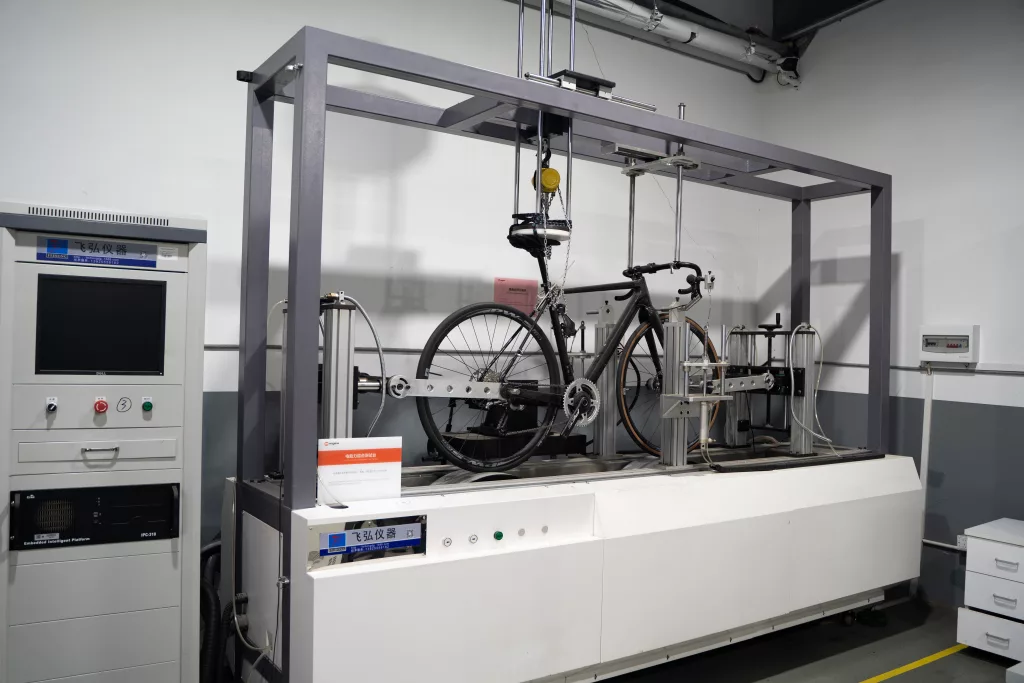
Although the size of a factory can reflect a customer’s production capacity, it does not prove that the customer has strong process control capabilities. Focus the audit on the work that affects product quality.
Review these operations:
- incoming inspection;
- strain-gauge and electronics assembly;
- environmental control;
- calibration and firmware loading;
- end-of-line testing;
- outgoing inspection;
- product traceability.
Ask for capacity and yield data from a comparable process. Review operator training and equipment calibration. Check how the factory contains failures and prevents repeat problems. A critical component change needs written approval. It may also require new validation.
The goal is not a flawless audit report. Choose a factory that can find variation, contain it and document the response.
7. Review Cost, IP and Markets
Do not compare suppliers by unit price alone. Calculate the total programme cost. Include engineering, tooling, samples, validation and compliance. Add packaging, logistics, warranty handling and firmware support. Check the assumptions behind MOQ, lead time and price breaks.
Set ownership and usage rights before development starts. The agreement should cover existing IP and new design work. It should also cover firmware, algorithms, tooling and test data. Include SDK access, API access, confidentiality and exclusivity where relevant.
Review market access for each product and country. For EU sales, a connected product may fall under the Radio Equipment Directive. Check UK requirements separately.
Assign responsibility for tests, technical files, declarations and labels. Do the same for manuals and other local documents.
Finally, define post-launch support. Agree on response times, failure analysis and firmware support. Set rules for replacements, corrective action and end-of-life notices.
8. Score the Suppliers
Use a weighted scorecard for the final decision. This reduces the influence of a polished presentation or a low quote.
A practical model is:
| Area | Weight |
|---|---|
| Power meter engineering | 20% |
| Validation evidence | 20% |
| Mechanical and digital integration | 15% |
| Development control | 15% |
| Production and quality systems | 15% |
| Cost, IP and market readiness | 10% |
| Communication and lifecycle support | 5% |
Score only what your team can verify. Watch for these warning signs:
- the supplier will not share its test methods;
- calibration records cannot be traced;
- samples differ from the planned production design;
- change-control terms remain vague;
- the supplier makes promises before it understands the requirements.
Shortlist two or three suppliers. Give each supplier the same sample and feasibility tasks. Record open risks, owners and the evidence needed for approval.
Choose for Scale
The best bike power meter ODM manufacturer may not have the longest feature list. Look for a partner that defines the product clearly. It should prove measurement performance and fit the product into your bike system.
Most importantly, it should preserve the approved design during mass production.
This discipline reduces redesign and supports a more reliable bicycle power meter programme. Are you assessing a custom power meter for a bike or component line? Contact Magene Enterprise to discuss your requirements.